.png%3Ftr%3Dw-400%2Cf-webp&w=384&q=75)
Small kitchen renovations are one of the most common requests across Sydney homes, particularly in apartments where space is often limited. The challenge isn’t just making the space look good; it’s making it feel functional, open and practical for everyday use.
In many Sydney properties, including apartments and terrace homes, kitchens were not originally designed for modern living. As a result, improving layout, storage and usability becomes essential when planning a renovation.
A well-designed small kitchen doesn’t rely on size. It relies on smart decisions, thoughtful planning and a clear understanding of how the space will be used day to day.
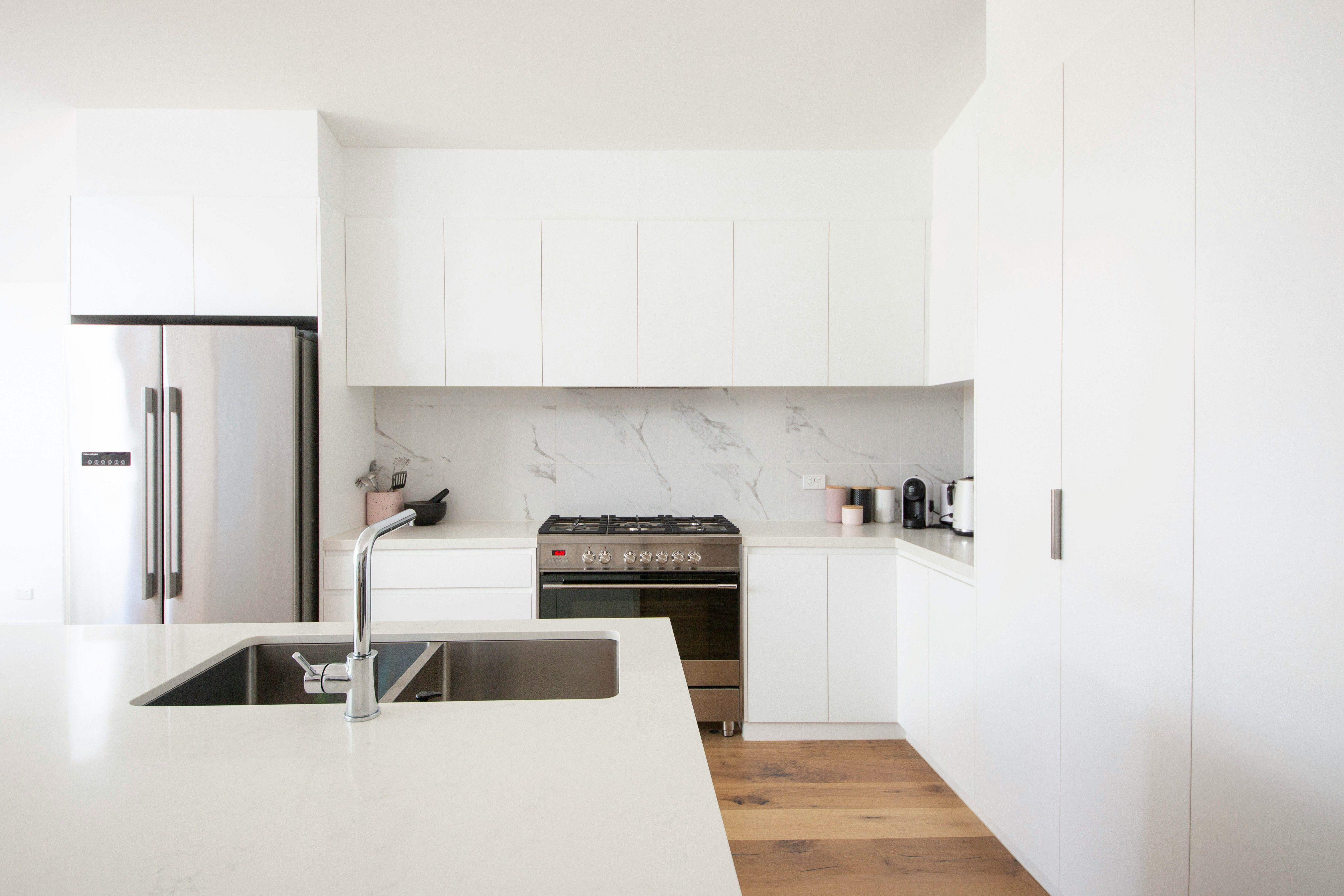
Rethinking the Layout Is the First Step
When working with a small kitchen, layout has the greatest impact on the final result. In many Sydney homes, especially apartments, the issue isn’t just the size itself, but how the space is currently arranged.
Reconfiguring the layout can dramatically improve both functionality and the perception of space. Open-plan solutions, where possible, help connect the kitchen with surrounding living areas, creating a more expansive and cohesive environment.
Even small adjustments can make a significant difference. Opening up walkways, repositioning key elements such as the sink or cooktop, and removing unnecessary visual barriers all contribute to a space that feels more intuitive and easier to use.
In some cases, layout changes may also involve relocating services such as plumbing, electrical points or gas connections. These considerations can impact both cost and timeline, making early planning essential for a smooth renovation process.
For those in the early stages, understanding how layout fits into the overall renovation process is essential. This is explored further in our guide on How To Plan Your Kitchen Renovation In Sydney, where each stage is broken down in detail.
Smart Storage Solutions That Actually Work
In a small kitchen, storage needs to be carefully considered from the beginning. Adding more cabinetry isn’t always the solution. It’s about using the available space more intelligently.
Vertical storage is one of the most effective strategies. Extending cabinetry to full height increases capacity while maintaining a clean and cohesive look, while also reducing visual clutter.
Hidden storage plays an equally important role. Features such as internal drawers, pull-out systems and concealed compartments allow for better organisation without interrupting the overall design.
Custom joinery brings all of these elements together. By tailoring storage to the space, it becomes possible to utilise corners, narrow gaps and underused areas that would otherwise be wasted.
From a practical perspective, well-designed storage also improves workflow efficiency. Keeping frequently used items within easy reach while maintaining a clean visual layout helps balance functionality with aesthetics.
If you're planning your renovation, it’s worth reviewing key considerations early on. Our Kitchen Renovation Checklist in Sydney covers essential elements, including how to approach storage in a more structured and practical way.
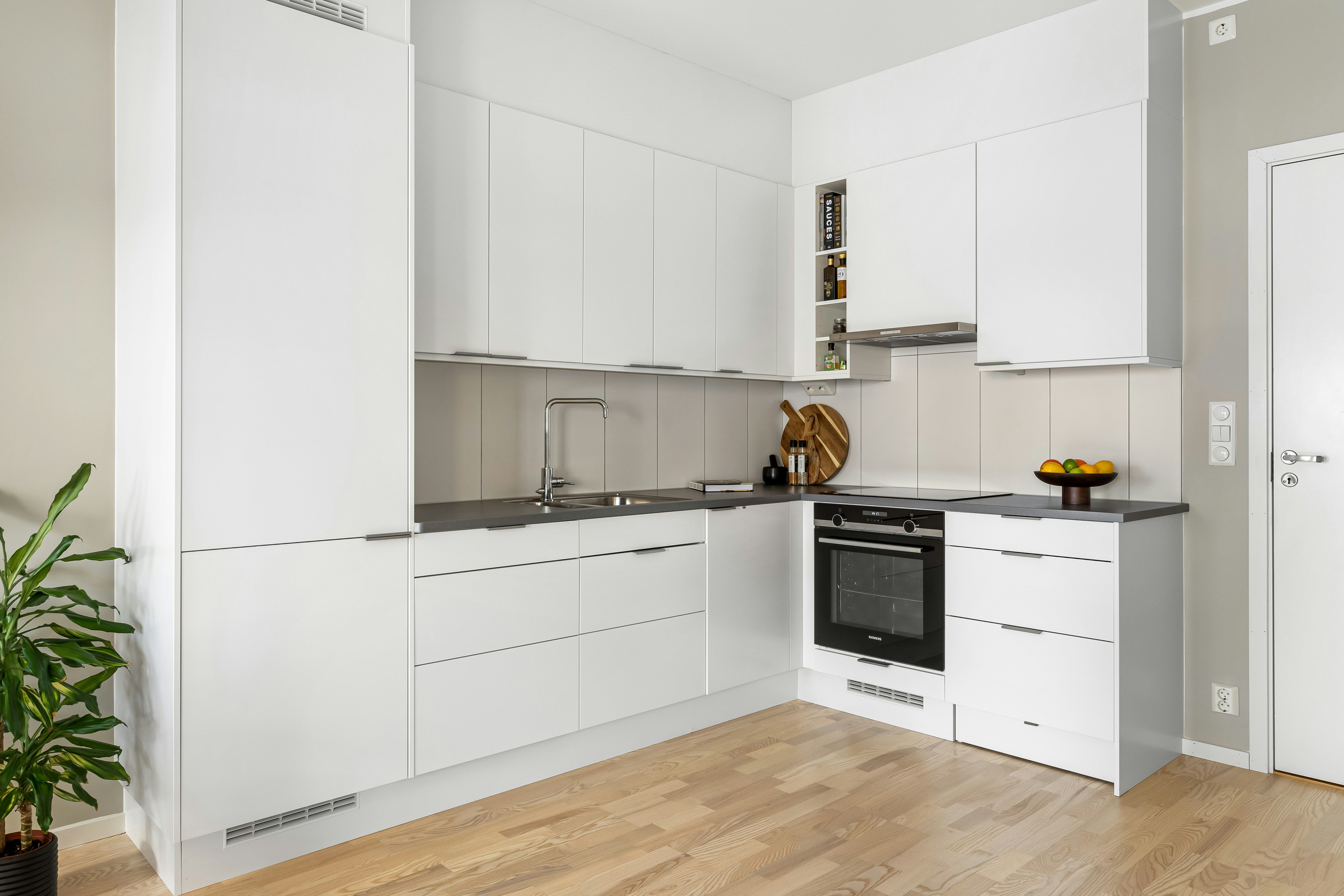
Materials and Finishes That Enhance Space
Material selection has a strong influence on how a small kitchen is perceived. The right combination of finishes can make a space feel significantly larger, lighter and more refined.
Lighter tones are commonly used to reflect natural light and create a sense of openness. However, it’s not just about colour; texture and continuity are equally important.
Reflective surfaces, such as polished stone or subtle gloss finishes, help bounce light throughout the space. Seamless materials, where transitions between surfaces are minimised, also contribute to a more expansive visual effect.
In Sydney homes, durability is also an important factor when selecting materials. Kitchens are high-use environments, so choosing surfaces that are both aesthetically refined and resistant to daily wear ensures long-term performance.
Rather than mixing too many finishes, a more restrained palette often delivers a stronger result, allowing the space to feel cohesive rather than fragmented.
Choosing the Right Appliances and Layout Efficiency
Appliances in a small kitchen should be selected with both size and integration in mind. Bulky or poorly positioned appliances can quickly disrupt the flow of the space.
Compact and integrated appliances are often the best approach. Built-in solutions help maintain clean lines while reducing visual interruptions across the kitchen.
Efficiency also comes down to positioning. Ensuring that appliances are placed logically in relation to key work zones improves usability and reduces unnecessary movement.
In smaller layouts, the concept of the “working triangle” (sink, cooktop and fridge) remains relevant, but often needs to be adapted to suit limited space and modern open-plan designs.
These decisions may seem minor individually, but together they play a key role in how functional the kitchen feels on a daily basis.
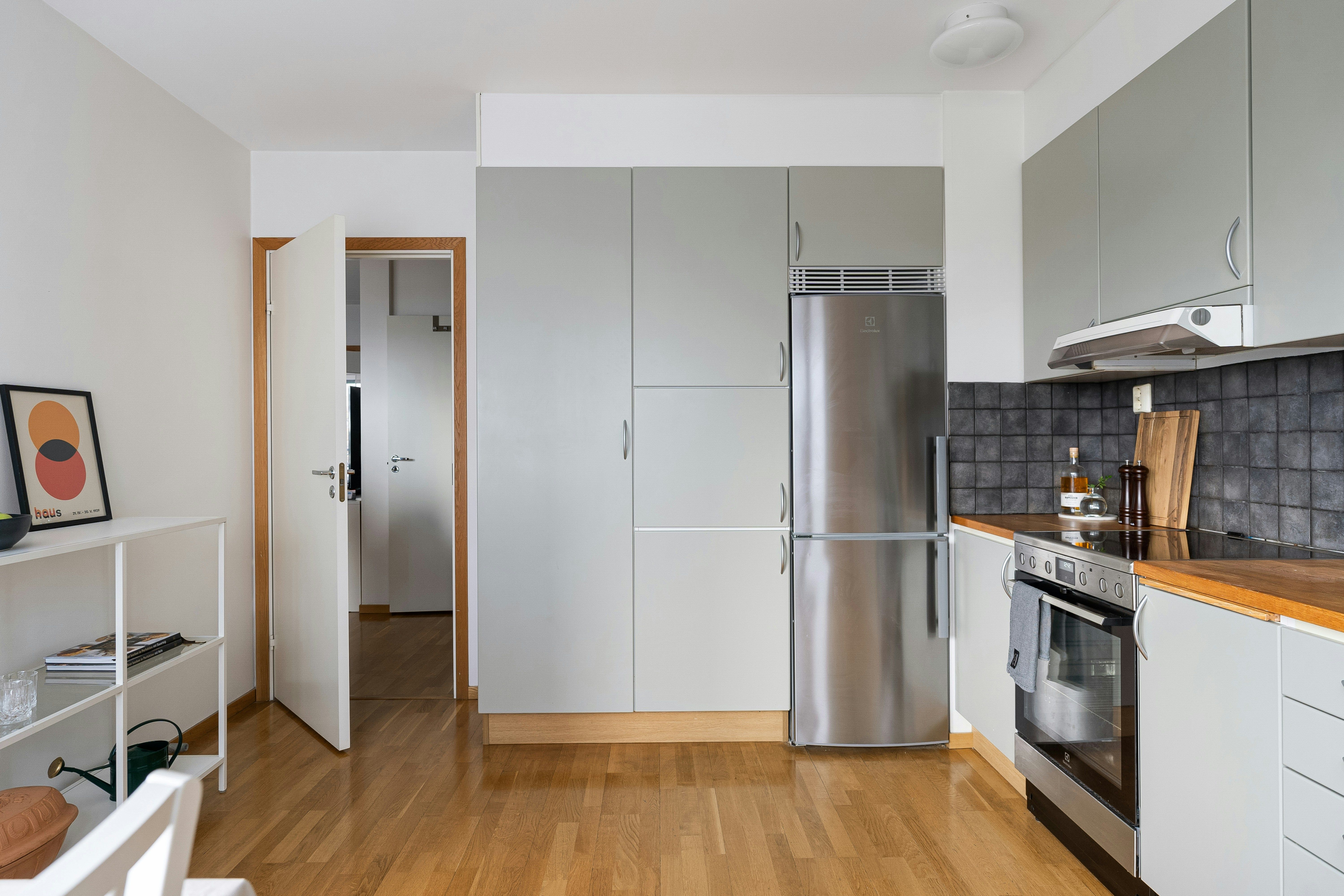
Design Decisions That Maximise Space
Beyond layout and materials, it’s the smaller design decisions that often define the success of a small kitchen renovation.
Reducing visual bulk is one of the most effective strategies. This can be achieved through slimmer profiles, handleless cabinetry or minimising overhead elements where appropriate.
Improving natural light is another critical factor. Opening sightlines, incorporating reflective surfaces and avoiding heavy visual obstructions can all enhance brightness within the space.
Creating visual flow is equally important. When materials, colours and lines are aligned, the kitchen feels more expansive and considered, even within a limited footprint.
Consistency in design elements, such as joinery lines, benchtop finishes and colour palette, helps avoid visual fragmentation and reinforces a sense of cohesion throughout the space.
These are the types of decisions that elevate a renovation from functional to refined.
Planning Your Small Kitchen Renovation in Sydney
A successful renovation is always the result of careful planning. From layout and storage to materials and appliances, each decision contributes to the overall outcome.
In Sydney, additional factors such as strata regulations (for apartments), approvals, and access constraints may also influence how a renovation is planned and executed.
If you’re considering a renovation, you can explore more detailed guidance in our Estimating Cost and Duration: A Comprehensive Guide to Kitchen Renovation in Sydney, which outlines key factors to consider before starting.
You can also browse our latest projects across Sydney to see how different layouts, materials and design approaches come together in real homes.
Ready to Transform Your Kitchen?
If you’re planning a small kitchen renovation in Sydney, our team is here to help.
At Inhaus Living, we specialise in creating smart, high-end spaces that maximise functionality without sacrificing design.
Contact us today to start your renovation journey.
.svg?tr=w-300)
Recent Comments
No comments yet.